


 Reviews
 Login
Login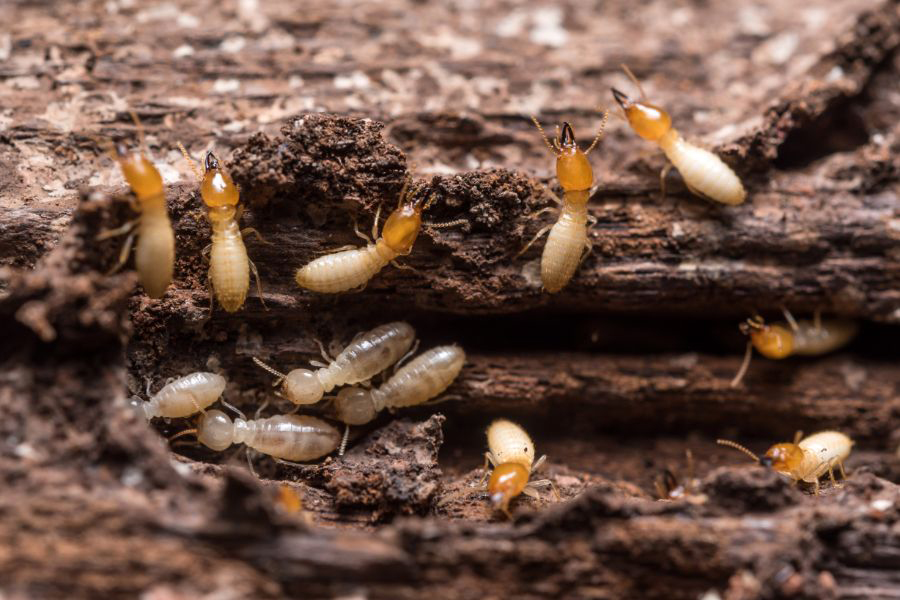
When temperatures drop and winter settles in, many homeowners assume pests disappear until spring. Unfortunately, that is not the case with termites. One of the most common and costly misconceptions is that termites go dormant during colder months. In reality, termites remain active year-round, continuing to cause structural damage even when it is cold outside. Understanding how termites behave in winter, what signs to look for, and why fast action matters can help protect your home from serious and expensive damage.
At TruX Pest Control of Raleigh, we see firsthand how winter termite activity catches homeowners off guard. Knowing what to expect can make all the difference.
Are Termites Active in the Winter?
The short answer is yes—termites are active in the winter. While many insects slow down or die off in cold weather, termites behave differently. Because they live underground or inside wood structures, they are naturally protected from temperature extremes.
Subterranean termites, the most common type in North Carolina, build extensive tunnel systems below the soil surface. During winter, they simply move deeper into the ground, where temperatures remain stable. From there, they continue to feed on wood and cellulose materials without interruption. As a result, termite activity does not stop just because it is cold outside.
Additionally, termites that are already inside your home are even more insulated from winter conditions. Heated indoor environments provide ideal conditions for them to keep feeding, growing their colonies, and expanding their damage throughout the season.

Why Termites Do Not Have Downtime
Unlike seasonal pests, termites do not rely on warm air temperatures to survive. Instead, they rely on access to food, moisture, and shelter. Unfortunately, homes provide all three.
First, termites feed on cellulose, which is found in wood, drywall paper, flooring, and even cardboard. Since these materials are available year-round, termites never run out of food. Second, moisture from plumbing, crawl spaces, basements, and condensation creates the damp conditions termites need to thrive. Finally, walls, foundations, and soil offer shelter that protects colonies from harsh weather.
Because of these factors, termite colonies continue working nonstop. While you may not see swarmers in winter, worker termites are constantly feeding and damaging wood behind the scenes. Over time, this silent destruction can weaken structural supports, floor joists, and framing without obvious warning signs.
In other words, winter is not a break for termites—it is simply business as usual.
Visible Signs of Termites in Your Home
Since termites are active year-round, it is critical to recognize the warning signs, even in winter. Although termites often work out of sight, they do leave clues that indicate a problem.
Mud Tubes
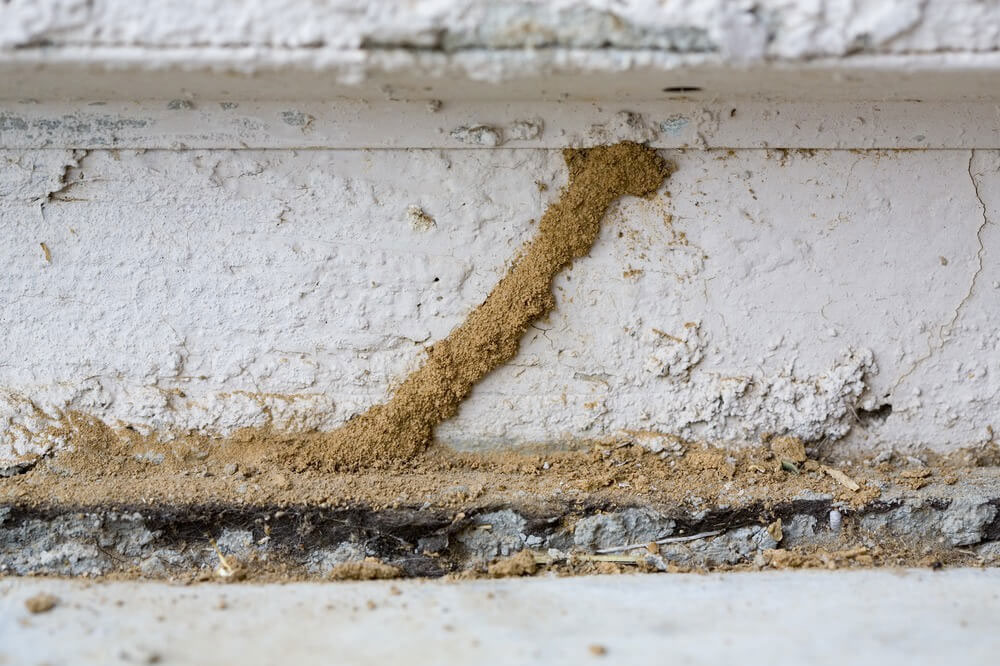
One of the most common signs of termites is the presence of mud tubes. These pencil-sized tunnels are typically found along foundations, crawl space walls, or basement walls. Termites use mud tubes to travel between the soil and their food source while staying protected from light and dry air. Even in winter, fresh or intact mud tubes can indicate active termites.
Damaged Wood
Termite-damaged wood often sounds hollow when tapped and may appear blistered or warped. In some cases, paint may bubble or peel due to moisture buildup caused by termite activity beneath the surface.
Discarded Wings
You may notice discarded wings near windowsills, door frames, or light fixtures. Although termite swarming usually occurs in warmer months, finding wings indoors can signal a nearby colony or a previous infestation that was never properly treated.
Frass or Wood Debris
Small piles of frass, which resemble sawdust or wood shavings, can also indicate termite activity. While this is more common with drywood termites, any unexplained wood debris should be taken seriously.
Structural Changes
Sagging floors, sticking doors, or cracked drywall can point to structural damage caused by termites. These signs often appear after significant damage has already occurred, which is why early detection is so important.
Why Winter Termite Problems Are Often Missed
During winter, homeowners are less likely to schedule pest inspections or look for signs of termites. As a result, infestations can go unnoticed for months. Because termites work quietly and invisibly, the damage continues to grow while attention is focused elsewhere.
Moreover, colder weather can create the illusion that pest risks are lower overall. This false sense of security allows termite colonies to expand without interruption. By the time warmer weather returns and visible signs become obvious, the damage may already be extensive.
For this reason, winter is actually a critical time for termite inspections and preventative treatments.
Why You Should Act Fast if You Suspect Termites
When it comes to termites, time is not on your side. Termites cause billions of dollars in property damage each year, and homeowners’ insurance typically does not cover termite-related repairs. The longer an infestation goes untreated, the more costly the repairs become.
Acting quickly can limit damage, reduce repair costs, and prevent further spread throughout your home. Early intervention often means simpler treatment options and better long-term protection. On the other hand, delaying action can result in compromised structural integrity and major renovations.
Additionally, termite colonies grow continuously. A small problem in winter can become a serious infestation by spring if left untreated.
How TruX Pest Control of Raleigh Can Help
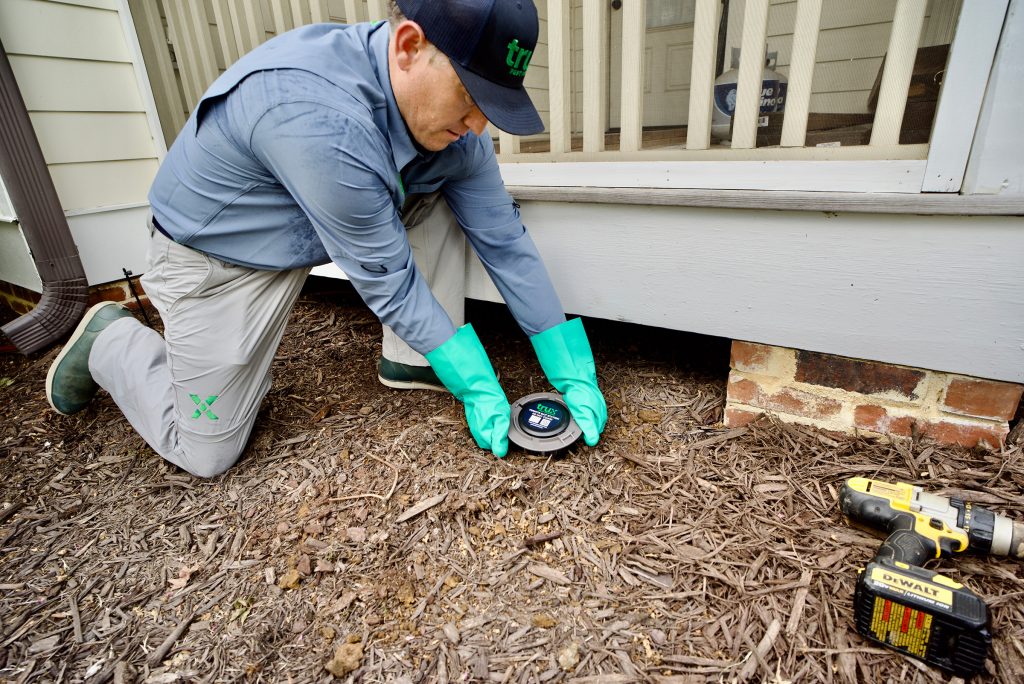
At TruX Pest Control of Raleigh, we understand how destructive termites can be and how important fast, professional treatment is. Our experienced team knows where termites hide, how they behave year-round, and how to eliminate them effectively.
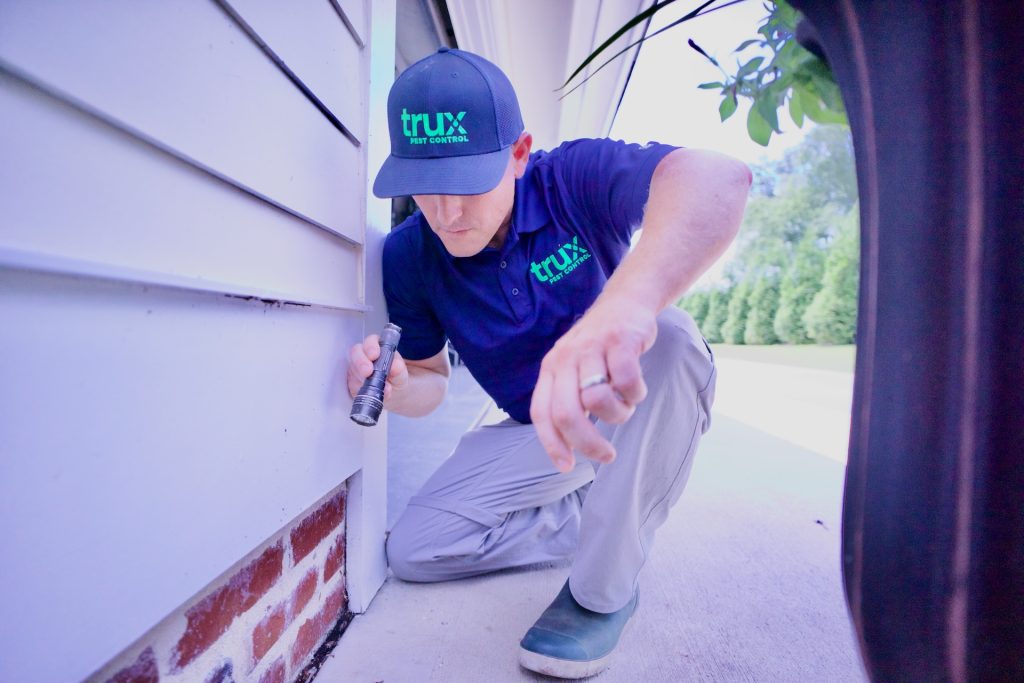
We begin with a thorough inspection to identify active infestations, entry points, and conditions that attract termites. From there, we develop a targeted treatment plan designed to eliminate existing colonies and protect your home from future infestations.
Just as importantly, we focus on prevention. By addressing moisture issues, entry points, and environmental factors, we help reduce the risk of termites returning. Our goal is not only to exterminate termites but also to provide long-term peace of mind.
Because termites do not take a break in winter, neither do we. Whether you have seen warning signs or simply want reassurance, our professionals are ready to help.
Final Thoughts: Winter Is Not a Safe Zone
To sum it up, termites are active in the winter, they do not have downtime, and they can continue causing serious damage even when temperatures are low. Since infestations often go unnoticed during colder months, winter can be one of the most dangerous times for termite damage.
By understanding the signs of termites and acting quickly, you can protect your home and avoid costly repairs. If you suspect termite activity—or want to prevent it before it starts—contact TruX Pest Control of Raleigh today. Our knowledgeable team is here to identify the problem, eliminate the threat, and safeguard your home year-round.
Our TruX technicians are trained to spot the signs of termite damage and behavior and are equipped with the treatments needed to prevent or solve your pest problem. Our service includes a full inspection, treatment, and prevention for termites.
Free Pest Inspection