


 Reviews
 Login
Login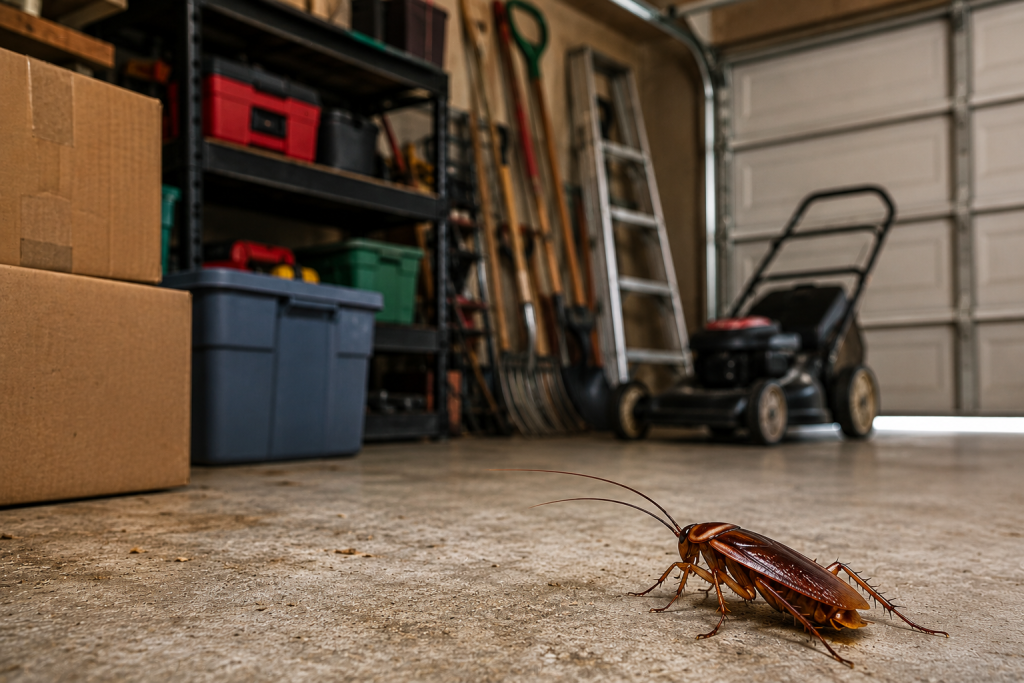
If you’ve ever flipped on the garage light and spotted a cockroach scurrying across the floor, you’re not alone. Garages are one of the most common places for cockroaches to hide because they provide everything these pests need to survive—darkness, moisture, warmth, shelter, and easy access to food.
While seeing one roach may not seem like a big deal, it can often be a sign of a much larger infestation hiding behind storage boxes, inside wall voids, or beneath clutter. Left untreated, garage roaches can quickly spread into your home, creating health concerns and becoming much harder to eliminate.
The good news is that there are effective ways to get rid of roaches in your garage and prevent them from returning. In this guide, we’ll explain why cockroaches invade garages, how to identify the signs of an infestation, and the best prevention and treatment methods. We’ll also discuss when it’s time to call the professionals at TruX Pest Control to protect your home with year-round pest control.
Why Are Roaches Attracted to Garages?
Most homeowners think cockroaches only infest kitchens and bathrooms, but garages are often one of their favorite hiding places.
A typical garage offers everything cockroaches need:
- Dark, undisturbed hiding spots
- Warm temperatures
- Moisture from water heaters or plumbing
- Cardboard boxes and paper products
- Pet food and bird seed
- Recycling bins
- Lawn equipment
- Firewood
- Cluttered storage areas
Unlike the rest of your home, garages usually aren’t cleaned as frequently. Dust, debris, moisture, and clutter create ideal conditions for cockroaches to live and reproduce.
If your garage is attached to your house, it can also serve as a gateway for cockroaches to enter your kitchen, laundry room, or living spaces.
Common Cockroaches Found in North Carolina Garages
North Carolina homeowners commonly encounter several species of cockroaches around garages and homes.
American Cockroach
Often called the “palmetto bug,” the American cockroach is one of the largest species found in North Carolina. These reddish-brown insects prefer warm, damp environments and often enter garages through cracks in foundations, drains, or gaps beneath garage doors.
Smokybrown Cockroach
Smokybrown cockroaches are common throughout the Southeast and frequently invade garages during hot, humid weather. They’re excellent flyers and are attracted to lights at night.
You’ll often find them hiding beneath:
- Firewood
- Mulch
- Outdoor storage containers
- Garage shelving
Oriental Cockroach
Sometimes referred to as “water bugs,” Oriental cockroaches thrive in cool, damp environments.
Common hiding places include:
- Floor drains
- Water heaters
- Utility sinks
- Damp concrete floors
- Leaking plumbing
German Cockroach
Although German cockroaches are more commonly found inside kitchens and bathrooms, severe infestations can spread into attached garages. These roaches reproduce rapidly and require aggressive treatment to eliminate completely.
Signs You Have Roaches in Your Garage
Cockroaches are nocturnal, meaning they’re most active after dark. Because of this, many infestations go unnoticed until populations become much larger.
Watch for these warning signs.
Live Cockroaches
If you regularly see cockroaches during the daytime, the infestation may already be significant. Daytime activity often means hiding spaces are overcrowded.
Droppings
Cockroach droppings resemble:
- Ground black pepper
- Coffee grounds
- Tiny black pellets
These droppings are often found along walls, underneath shelving, and behind stored items.
Egg Cases
Female cockroaches produce egg capsules known as oothecae.
Each capsule may contain dozens of eggs.
Finding egg cases in your garage usually indicates an active breeding population.
Musty Odor
Large infestations often produce a strong, oily, musty smell that becomes more noticeable as cockroach populations increase.
Shed Skins
Cockroaches shed their outer shells several times as they grow. Finding discarded exoskeletons is another indication that the infestation is becoming established.
Why Roaches Are More Than Just a Nuisance
Cockroaches aren’t simply unpleasant to see—they can also affect your family’s health.
Roaches are known to:
- Contaminate surfaces with bacteria
- Spread germs from unsanitary areas
- Trigger allergies
- Worsen asthma symptoms
- Contaminate stored belongings
- Damage cardboard boxes and paper products
As cockroaches travel between garbage, sewers, and your home, they can spread bacteria to surfaces where your family lives and stores belongings.
Step 1: Remove Food Sources
The first step toward eliminating cockroaches is making your garage less attractive.
Even tiny food particles can support an infestation.
Inspect your garage for:
- Pet food
- Bird seed
- Grass seed
- Open garbage
- Recycling containers with residue
- Beverage cans
- Organic fertilizers
Store food products inside airtight plastic containers instead of paper or cardboard packaging.
If you feed pets in the garage, avoid leaving food bowls out overnight.
Step 2: Eliminate Moisture
Water is one of the biggest reasons cockroaches stay in garages.
Inspect for:
- Water heater leaks
- Dripping faucets
- Condensation
- Utility sink leaks
- Standing water
- Wet cardboard
- Damp concrete
Repair plumbing issues promptly and consider using a dehumidifier if your garage remains humid throughout the year.
Step 3: Declutter Your Garage
Clutter creates countless hiding places for cockroaches.
Reduce clutter by removing:
- Old cardboard boxes
- Newspapers
- Paper bags
- Unused furniture
- Old clothing
- Excess storage
Whenever possible, replace cardboard boxes with plastic storage bins that have tight-fitting lids.
Plastic containers are much less attractive to cockroaches and better protect your belongings.
Step 4: Deep Clean Every Corner
A thorough cleaning removes food particles, grease, dust, and scent trails that cockroaches use to locate food.
Be sure to:
- Sweep regularly
- Vacuum corners
- Clean shelving
- Remove cobwebs
- Wipe up spills immediately
- Empty trash frequently
- Clean behind refrigerators or freezers stored in the garage
Even garages that appear clean often have hidden debris behind storage shelves or workbenches.
Step 5: Seal Entry Points
Cockroaches often enter garages from outdoors.
Inspect carefully for:
- Foundation cracks
- Gaps around utility pipes
- Torn weather stripping
- Damaged door sweeps
- Cracks beneath garage doors
- Openings around vents
Seal these entry points using silicone caulk, weather stripping, expanding foam, or concrete repair materials to reduce future invasions.
Step 6: Use Cockroach Baits for Lasting Results
When it comes to eliminating an existing cockroach infestation, bait stations are often more effective than sprays alone. While aerosol sprays may kill the roaches you can see, they rarely reach the hidden nesting areas where the majority of the population lives.
Cockroach baits work differently. Roaches consume the bait and carry it back to their nesting sites, where it spreads to other cockroaches. This “transfer effect” helps eliminate the colony instead of just individual insects.
For the best results, place bait stations:
- Along garage walls
- Behind shelving units
- Near water heaters and utility sinks
- Around garage door corners
- Behind refrigerators and freezers
- Near plumbing penetrations
Avoid placing baits directly next to insecticide sprays, as sprays can repel cockroaches before they reach the bait.
Step 7: Use Sticky Traps to Monitor Activity
Sticky traps won’t eliminate an infestation by themselves, but they are an excellent tool for monitoring cockroach activity.
Place traps in areas where roaches are likely to travel, including:
- Behind storage shelves
- Along walls
- Near garage doors
- Around utility equipment
- Near water sources
Check traps every week. If you’re catching multiple cockroaches consistently, it’s a sign that additional treatment is needed.
Step 8: Treat the Outside of Your Garage
Many garage infestations begin outdoors. Cockroaches often hide in landscaping before finding their way inside.
Help reduce outdoor populations by:
- Keeping mulch several inches away from your home’s foundation
- Removing piles of leaves and grass clippings
- Storing firewood away from the garage
- Trimming shrubs and bushes away from exterior walls
- Cleaning gutters regularly
- Eliminating standing water around the property
Reducing outdoor harborage makes it much harder for cockroaches to invade your garage in the first place.
Natural Roach Control: Does It Work?
Many homeowners prefer natural pest control methods before turning to professional treatments. While some natural products can help reduce cockroach activity, they rarely eliminate a full infestation on their own.
Diatomaceous Earth
Food-grade diatomaceous earth is a fine powder made from fossilized algae. When cockroaches crawl through it, the powder damages their protective outer coating, causing them to dehydrate.
For best results:
- Apply a thin layer in dry areas.
- Place it along wall edges and cracks.
- Keep it away from moisture, which reduces its effectiveness.
Boric Acid
Boric acid has been used for decades to control cockroaches. It can be effective when applied correctly, but only a very light dusting should be used. Thick piles of boric acid often cause roaches to avoid the area altogether.
Always keep boric acid out of reach of children and pets.
Essential Oils
Peppermint, eucalyptus, tea tree, and cedarwood oils may temporarily repel some insects, but there is little evidence that they can eliminate an established cockroach infestation.
Natural remedies are best viewed as supplements—not replacements—for proven cockroach control methods.
Common Mistakes Homeowners Make
Many garage infestations continue because homeowners unknowingly make mistakes that allow cockroaches to survive.
Some of the most common include:
Using Too Much Spray
Spraying every visible surface may seem like a good idea, but excessive spraying can scatter cockroaches deeper into walls and storage areas.
Ignoring Moisture Problems
Even a small plumbing leak or condensation around a water heater provides enough moisture for cockroaches to survive.
Leaving Cardboard Boxes in the Garage
Cardboard is one of the favorite hiding places for cockroaches because it provides shelter and absorbs moisture.
Replacing cardboard boxes with sealed plastic storage bins can significantly reduce hiding spots.
Waiting Too Long
Cockroaches reproduce incredibly fast. A small infestation today can become a major problem within a matter of weeks.
The earlier treatment begins, the easier the infestation is to eliminate.
How to Prevent Roaches from Coming Back
Once you’ve eliminated cockroaches, prevention becomes your best defense.
A few simple habits can keep your garage pest-free year-round.
Keep Your Garage Organized
Clutter provides countless hiding places for insects. Store items neatly and keep them elevated whenever possible.
Store Food Properly
Pet food, bird seed, and grass seed should always be kept inside sealed plastic containers.
Remove Water Sources
Repair plumbing leaks, improve drainage, and use a dehumidifier if your garage tends to stay damp.
Inspect Your Garage Door
Replace worn weather stripping and damaged door sweeps to eliminate easy entry points.
Clean Regularly
A quick monthly cleaning can remove crumbs, dust, and debris before they become food sources.
When Should You Call a Professional?
DIY methods can help with small infestations, but larger cockroach problems often require professional treatment.
You should contact a pest control company if:
- You’re seeing cockroaches during the day.
- Roaches continue appearing after several weeks of treatment.
- Egg cases continue to appear.
- Cockroaches have spread into your home.
- Multiple species are present.
- The infestation keeps returning.
Professional pest control companies have access to commercial-grade products, advanced application methods, and Integrated Pest Management (IPM) strategies that provide longer-lasting protection than most over-the-counter products.
Why Homeowners Trust TruX Pest Control
At TruX Pest Control, we understand that no homeowner wants to share their garage—or their home—with cockroaches. That’s why our experienced technicians use proven Integrated Pest Management (IPM) techniques to identify the source of the infestation, eliminate existing cockroaches, and help prevent future invasions.
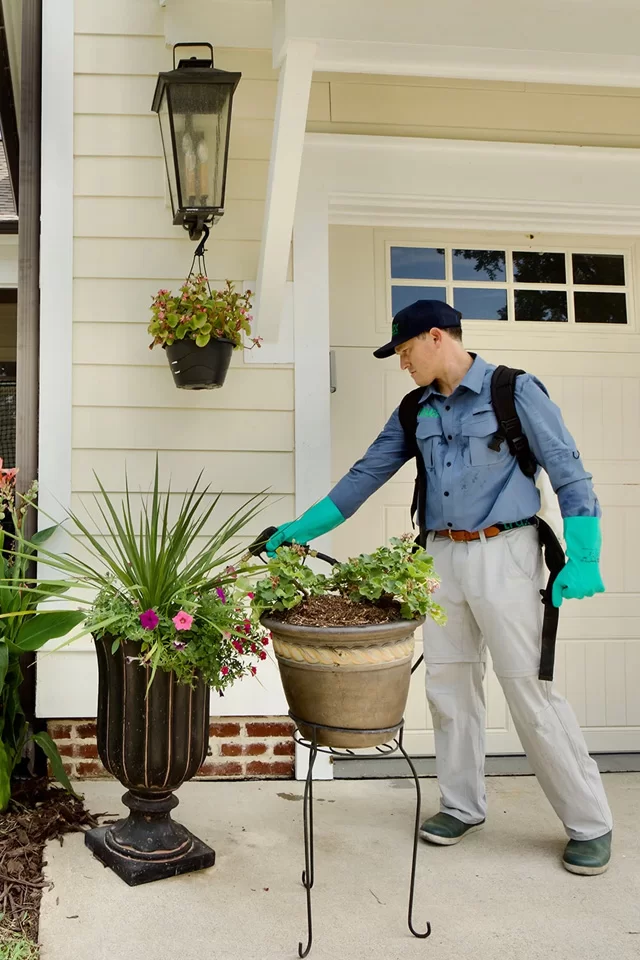
Our comprehensive pest control programs don’t just treat the pests you can see. We target the conditions that attract them, helping protect your entire property, including attached and detached garages.
With TruX’s recurring pest control services, you’ll receive:
- Thorough inspections to identify entry points and nesting areas
- Targeted treatments for the specific cockroach species on your property
- Exterior barrier applications to help stop pests before they enter your home
- Preventative recommendations to reduce future infestations
- Unlimited re-service visits between scheduled treatments if covered pests return
Whether you’re dealing with American cockroaches, Smokybrown cockroaches, Oriental cockroaches, or another species common to North Carolina, our team has the knowledge and experience to provide effective, long-lasting solutions.
Protect Your Garage—and Your Home—with TruX Pest Control
Finding cockroaches in your garage can be frustrating, but you don’t have to tackle the problem alone. The sooner you address an infestation, the easier it is to stop it from spreading throughout your home.
At TruX Pest Control, we provide reliable, family-friendly pest control solutions designed to eliminate cockroaches and keep them from coming back. Our knowledgeable technicians use proven treatments tailored to your home and backed by our commitment to exceptional customer service.
If you’ve noticed cockroaches in your garage, don’t wait until they make their way into your kitchen or living room. Visit TruXPestControl.com today to sign up for professional pest control services online. Our online signup process is fast, convenient, and allows you to schedule recurring protection that keeps your home, garage, and family protected all year long.
With TruX Pest Control on your side, you can enjoy a cleaner, healthier, and pest-free home—starting with your garage.
Frequently asked questions.
Garages typically provide more moisture, clutter, and shelter than other parts of the home. However, if left untreated, garage infestations often spread indoors over time.
Yes. Even spotless garages can attract cockroaches if they have water sources, entry points, or nearby outdoor populations. Regular maintenance helps, but cleanliness alone won’t always prevent an infestation.
The quickest and most effective solution combines sanitation, moisture control, sealing entry points, professional-grade baiting, and targeted pest control treatments.
Yes. Attached garages often provide an easy pathway into kitchens, laundry rooms, and living spaces, especially during extreme heat, cold, or heavy rain.
For recurring or large infestations, professional pest control is often the most cost-effective solution. It addresses the root of the problem instead of just treating visible cockroaches.
