


 Reviews
 Login
LoginBed bugs are one of the most unsettling pests a homeowner can encounter. They are small, sneaky, and excellent at hiding—often going unnoticed until bites start appearing or the infestation grows. While bed bugs are not known to spread disease, they can still cause stress, discomfort, and sleepless nights if left untreated.
In this guide, we will walk you through everything you need to know about bed bugs, including what they look like, where they hide, how to identify them, and what steps to take if you find them in your Raleigh, NC home.
What Do Bed Bugs Look Like?
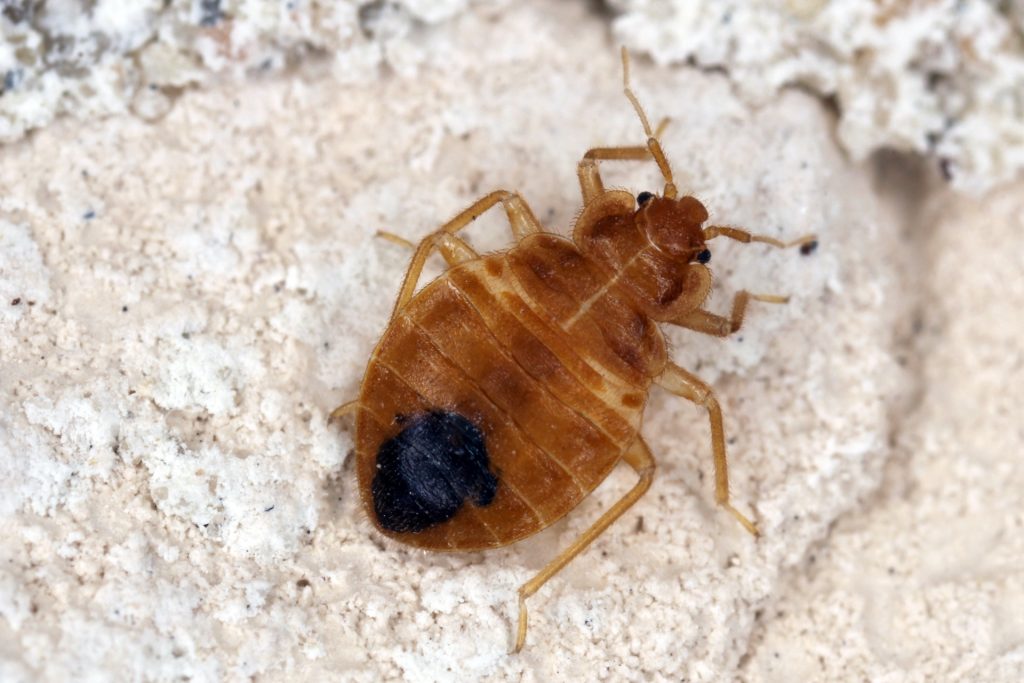
Bed bugs are small, oval-shaped insects about the size of an apple seed. Adult bed bugs are typically reddish-brown and flat, which makes it easy for them to squeeze into tiny cracks and crevices. After feeding, their bodies swell and take on a darker, more elongated appearance.
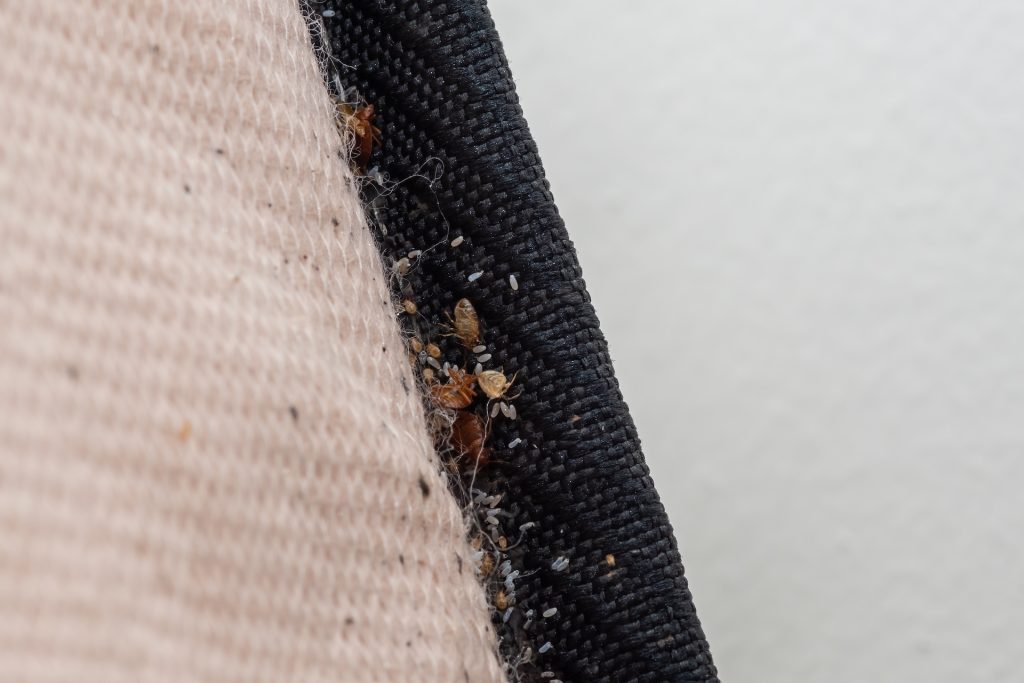
Immature bed bugs, known as nymphs, are smaller and lighter in color—often translucent or pale yellow—making them even harder to spot. Bed bug eggs are tiny, white, and about the size of a pinhead. Because of their small size and ability to hide well, many infestations go unnoticed in the early stages.
What Are the Dangers of Bed Bugs?
While bed bugs are not known to transmit diseases, they can still pose several problems for homeowners.
The most common issue is itchy, red bite marks. Bed bug bites often appear in clusters or straight lines and are typically found on exposed skin such as the arms, neck, face, or legs. Reactions vary from person to person—some people develop noticeable swelling and irritation, while others may not react at all.
Beyond physical discomfort, bed bugs can take a toll on mental health. The stress of dealing with an infestation, combined with lost sleep and anxiety, can significantly impact your quality of life. In some cases, excessive scratching of bites can also lead to secondary skin infections.
Where Do Bed Bugs Like to Live and Hide?
Despite their name, bed bugs are not limited to beds. They prefer areas where people rest for long periods, making bedrooms and living rooms prime locations.
Common bed bug hiding spots include:
-
Mattresses, box springs, and bed frames
-
Seams, tags, and folds in bedding
-
Cracks and joints in furniture
-
Behind headboards and nightstands
-
Upholstered furniture such as couches and chairs
-
Baseboards, wall cracks, and electrical outlets
-
Luggage, backpacks, and clothing
Bed bugs are nocturnal and usually come out at night to feed. During the day, they stay hidden in tight spaces close to their food source—humans.
How Do You Identify Bed Bugs?
Identifying bed bugs early is key to preventing a larger infestation. While seeing a live bed bug is the most obvious sign, there are several other indicators to watch for.
Signs of bed bugs include:
-
Small reddish or brown bugs crawling on bedding or furniture
-
Tiny black or dark brown spots (bed bug droppings) on sheets or mattresses
-
Rust-colored stains on bedding from crushed bugs
-
Shed skins from growing bed bugs
-
A musty or sweet odor in heavily infested areas
Bite marks alone are not a reliable way to confirm bed bugs, as other insects can cause similar reactions. A professional inspection is often the most accurate way to identify the problem.
How Do Bed Bugs Get Into Your Home?
Bed bugs are expert hitchhikers that often make their way into homes by clinging to luggage, clothing, furniture, and other personal belongings. Travel is one of the most common ways bed bugs spread, especially after staying in hotels, vacation rentals, or other shared accommodations. They can also be brought home unknowingly on secondhand furniture or mattresses, or after visiting a home where an infestation is already present.
Shared laundry facilities, public transportation, offices, and other high-traffic areas can also provide opportunities for bed bugs to move from one location to another. Because bed bugs do not discriminate between clean and cluttered homes, anyone can experience an infestation, regardless of housekeeping habits.
What Should You Do When You Find Bed Bugs in Your Home?
Discovering bed bugs can be overwhelming, but taking the right steps quickly can make a major difference.
First, avoid panic and do not attempt to treat the problem with over-the-counter sprays alone. Many DIY solutions fail to eliminate bed bugs entirely and may cause them to spread to other areas of the home.
Here are important steps to take:
-
Reduce clutter to limit hiding places
-
Wash and dry bedding and clothing on high heat
-
Avoid moving infested items to other rooms
-
Do not throw away furniture until advised by a professional
-
Contact a licensed pest control company
Professional treatment is the most effective way to eliminate bed bugs. Trained technicians know where to look, how to identify all life stages, and which treatments will fully resolve the infestation.

Why Professional Bed Bug Treatment Matters
Bed bugs are extremely resilient pests. They can survive for months without feeding and often hide in places homeowners would never think to check. Successful treatment requires specialized equipment, experience, and a targeted approach.
Professional pest control services can:
-
Confirm the presence of bed bugs
-
Identify the extent of the infestation
-
Develop a customized treatment plan
-
Provide follow-up services to ensure elimination
-
Offer guidance on prevention moving forward
Early intervention can save time, money, and frustration in the long run.
Trust TruX Pest Control for Bed Bug Solutions
If you suspect bed bugs in your home, you do not have to face the problem alone. TruX Pest Control is here to help with all your pest concerns. Our trained professionals provide thorough pest inspections to accurately identify bed bugs and other pests, then develop an effective treatment plan tailored to your home.
We understand how disruptive bed bugs can be, and we are committed to helping you restore comfort and peace of mind. Contact TruX Pest Control today to schedule your pest inspection and take the first step toward a pest-free home in Raleigh, NC. Sign up today and let our experts handle the problem with care and confidence.
Free Pest Inspection