


 Reviews
 Login
Login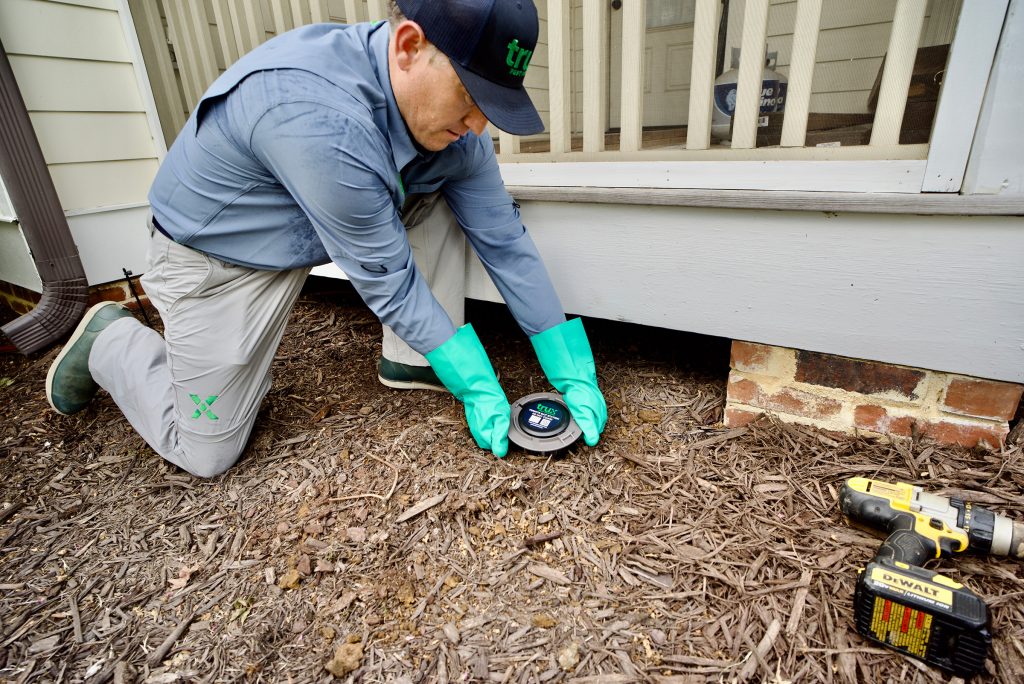
Termites are among the most destructive pests homeowners can face. Often called “silent destroyers,” they can chew through wood, flooring, and even wallpaper undetected, causing extensive structural damage before you ever notice a problem. If you’re searching for effective termite treatments, you’re already taking an important step toward protecting your property.
In this comprehensive guide, we’ll explore everything you need to know about termite treatments—from identifying infestations and understanding treatment options to prevention strategies and why professional pest control is essential. Whether you’re dealing with an active infestation or looking to safeguard your home, this article will help you make informed decisions.
What Are Termites and Why Are They So Dangerous?
Termites are small, soft-bodied insects that feed primarily on cellulose, a component found in wood and plant materials. While they play an important role in nature by breaking down dead trees, they become a serious threat when they invade homes and buildings.
Types of Termites
Understanding the type of termite you’re dealing with is critical for selecting the right treatment:
- Subterranean termites – The most common and destructive type, living in soil and building mud tubes to access structures.
- Drywood termites – Infest dry wood and do not require contact with soil.
- Dampwood termites – Thrive in moist environments and typically infest decaying wood.
Each species requires a different treatment approach, making proper identification essential.
Signs of a Termite Infestation
Termites often go unnoticed until significant damage has already occurred. Here are some key warning signs:
1. Mud Tubes
Subterranean termites build pencil-sized mud tubes along walls, foundations, or crawl spaces to travel safely.
2. Hollow or Damaged Wood
Wood that sounds hollow when tapped may have been eaten from the inside out.
3. Discarded Wings
Swarming termites shed their wings after finding a place to start a colony.
4. Frass (Termite Droppings)
Drywood termites leave behind small, pellet-like droppings.
5. Tight-Fitting Doors or Windows
Moisture from termite activity can warp wood, making openings difficult to use.
If you notice any of these signs, immediate action is critical to prevent further damage.
Why Termite Treatments Are Essential
Termite damage is not just cosmetic—it can compromise the structural integrity of your home. According to industry estimates, termites cause billions of dollars in damage each year, and most homeowner insurance policies do not cover termite damage.
Key Reasons to Act Quickly:
- Prevent costly structural repairs
- Protect property value
- Avoid safety hazards
- Stop the infestation from spreading
The longer you wait, the more extensive—and expensive—the damage becomes.
Types of Termite Treatments
There is no one-size-fits-all solution for termite control. The best treatment depends on the type of termite, the severity of the infestation, and the structure of your home.
1. Liquid Termite Treatments (Termiticides)
Liquid treatments involve applying a chemical barrier around the perimeter of your home.
How It Works:
- Termiticides are applied to the soil around the foundation.
- Termites passing through the treated area carry the product back to the colony.
- This helps eliminate the entire colony over time.
Pros:
- Immediate protection
- Long-lasting barrier
- Highly effective against subterranean termites
Cons:
- Requires professional application
- May involve drilling or trenching
2. Termite Bait Systems
Bait systems are strategically placed around your property to attract termites.
How It Works:
- Termites consume the bait and carry it back to the colony.
- The active ingredient disrupts their growth and eliminates the colony.
Pros:
- Environmentally friendly
- Targets entire colony
- Minimal disruption to property
Cons:
- Slower results compared to liquid treatments
- Requires ongoing monitoring
3. Wood Treatments
Wood treatments involve applying products directly to wood surfaces.
Types:
- Surface sprays
- Borate treatments
- Foam applications for wall voids
Pros:
- Ideal for localized infestations
- Prevents future infestations in treated wood
Cons:
- Limited to accessible areas
- Not sufficient for large infestations
4. Fumigation (Tent Treatment)
Fumigation is typically used for severe drywood termite infestations.
How It Works:
- The entire structure is covered with a tent.
- A gas fumigant is released to eliminate termites throughout the building.
Pros:
- Reaches all areas, including hidden infestations
- Highly effective for widespread infestations
Cons:
- Requires vacating the home
- More expensive than other methods
5. Heat Treatments
Heat treatments use high temperatures to kill termites.
How It Works:
- Specialized equipment raises the temperature inside the structure to lethal levels for termites.
Pros:
- Chemical-free solution
- Quick treatment process
Cons:
- Limited penetration in some materials
- May not eliminate entire colonies
Choosing the Right Termite Treatment
Selecting the best termite treatment depends on several factors:
1. Type of Termite
Different species require different approaches.
2. Extent of Infestation
Localized infestations may require spot treatments, while widespread issues need comprehensive solutions.
3. Property Structure
Slab foundations, crawl spaces, and basements all affect treatment options.
4. Budget and Timeline
Some treatments offer faster results, while others provide long-term monitoring.
A professional pest control inspection is the best way to determine the most effective solution.
DIY vs. Professional Termite Treatments
While DIY termite solutions are available, they often fall short compared to professional services.
DIY Treatments
Pros:
- Lower upfront cost
- Readily available products
Cons:
- Limited effectiveness
- May not eliminate the colony
- Risk of improper application
Professional Termite Treatments
Pros:
- Expert identification and treatment
- Access to advanced products
- Long-term protection plans
- Warranties and follow-up inspections
Cons:
- Higher initial cost
In most cases, professional treatment is the most reliable way to eliminate termites and prevent recurrence.
The Termite Treatment Process
Understanding what to expect can help you feel more confident in addressing a termite problem.
Step 1: Inspection
A thorough inspection identifies the type of termite and the extent of the infestation.
Step 2: Treatment Plan
A customized plan is developed based on your specific situation.
Step 3: Treatment Application
The chosen method—liquid, bait, or other—is applied.
Step 4: Monitoring and Follow-Up
Ongoing inspections ensure the infestation is fully eliminated and does not return.
How Long Do Termite Treatments Last?
The longevity of termite treatments varies:
- Liquid treatments: Typically last 5–10 years
- Bait systems: Require ongoing monitoring and maintenance
- Wood treatments: Can last for the life of the wood if undisturbed
Regular inspections are essential to maintain protection.
Preventing Future Termite Infestations
Prevention is just as important as treatment. Here are key steps you can take:
1. Eliminate Moisture
Fix leaks, improve drainage, and ensure proper ventilation.
2. Reduce Wood-to-Soil Contact
Keep wood structures elevated and avoid direct contact with soil.
3. Store Firewood Properly
Keep firewood away from your home and off the ground.
4. Seal Entry Points
Close cracks and gaps in your foundation and exterior walls.
5. Schedule Regular Inspections
Annual inspections can catch problems early.
Why Local Expertise Matters
Termite behavior and risk levels vary by region. In areas with warm, humid climates, termite activity is especially high, making professional expertise critical.
A local pest control provider understands:
- Regional termite species
- Soil conditions
- Seasonal activity patterns
- Effective treatment methods for your area
This knowledge ensures more effective and lasting results.
Cost of Termite Treatments
The cost of termite treatment can vary widely depending on:
- Size of the property
- Severity of infestation
- Type of treatment used
- Accessibility of affected areas
Typical Price Ranges:
- Inspection: Often free or low-cost
- Liquid treatments: $500–$3,000+
- Bait systems: $1,000–$3,500+
- Fumigation: $2,000–$8,000+
While the cost may seem high, it is far less than the expense of repairing structural damage.
Common Myths About Termites
Myth 1: Termites Only Affect Old Homes
Fact: Termites can infest homes of any age.
Myth 2: Brick Homes Are Safe
Fact: Termites can enter through cracks and attack wooden components inside.
Myth 3: DIY Treatments Are Enough
Fact: Most DIY methods fail to eliminate entire colonies.
Myth 4: Termites Are Easy to Detect
Fact: They often remain hidden until damage is severe.
When to Call a Professional
You should contact a termite control expert if:
- You see signs of termite activity
- You are buying or selling a home
- You live in a high-risk area
- You want preventive protection
Early intervention can save thousands of dollars in repairs.
Benefits of Ongoing Termite Protection Plans
Many homeowners choose ongoing termite protection for peace of mind.
Advantages:
- Regular inspections
- Continuous monitoring
- Early detection
- Warranty coverage
- Long-term savings
These plans are especially valuable in termite-prone regions.
Final Thoughts: Protect Your Home with the Right Termite Treatment
Termites are a serious threat, but with the right knowledge and proactive approach, you can protect your home effectively. From identifying early warning signs to choosing the best treatment method, every step you take reduces the risk of costly damage.
Professional termite treatments provide the most reliable and long-lasting results, ensuring that infestations are not only eliminated but also prevented in the future.
If you’re searching for termite treatments, now is the time to act. A thorough inspection and customized treatment plan can safeguard your home and give you lasting peace of mind.
Frequently Asked Questions (FAQ)
How quickly can termites cause damage?
Termites can begin causing damage within months, and significant structural issues can develop within a few years.
Are termite treatments safe for pets and children?
Modern treatments are designed to be safe when applied by professionals. Always follow safety guidelines provided by your pest control provider.
Can termites come back after treatment?
Yes, without proper prevention and monitoring, termites can return. Ongoing protection is key.
How often should I have a termite inspection?
At least once a year, or more frequently in high-risk areas.
By understanding termite behavior, recognizing the signs of infestation, and choosing the right treatment strategy, you can protect your home from one of the most damaging pests in the world.
If you’re ready to take the next step, consider scheduling a professional inspection and investing in a proven termite treatment solution today.
