


 Reviews
 Login
Login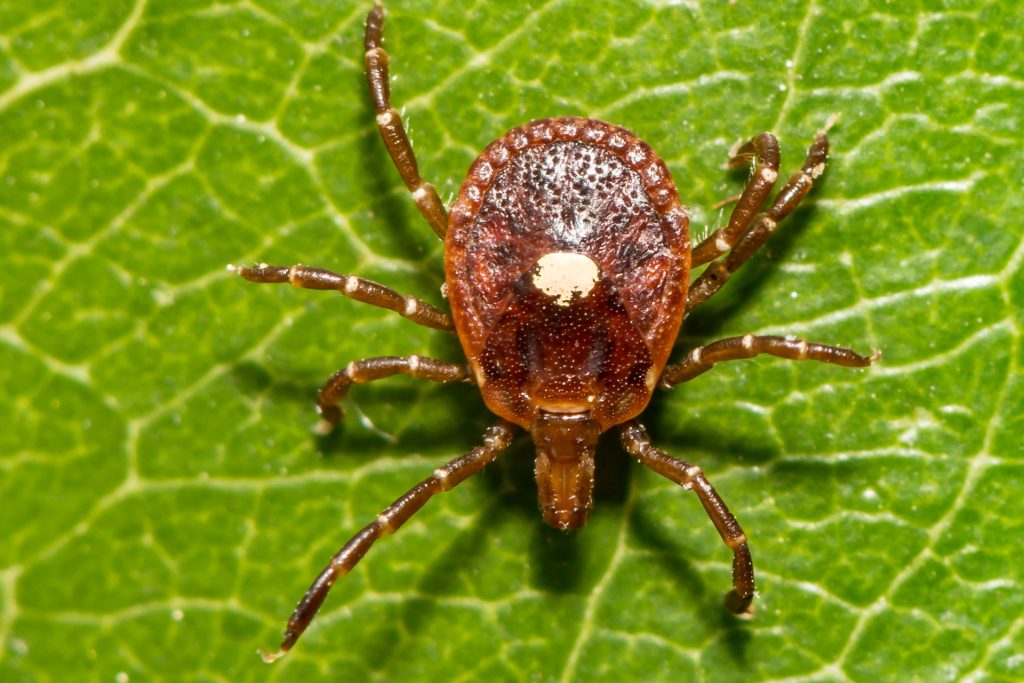
If you spend any time outdoors in Raleigh—whether it’s in your backyard, at a local park, or along one of the area’s many greenways—you’ve likely encountered ticks. These tiny pests are more than just a nuisance. They pose real health risks to both people and pets, including the potential transmission of Lyme disease and other serious illnesses.
For homeowners in Raleigh and throughout Wake County, tick control isn’t optional—it’s essential. In this guide, we’ll break down why ticks are such a growing problem in our area, how to identify and prevent infestations, and what you can do to protect your family year-round.
Why Tick Problems Are Increasing in Raleigh, NC
Raleigh’s climate creates ideal conditions for ticks to thrive. Warm temperatures, high humidity, and mild winters mean ticks remain active for much longer compared to colder regions.
Several local factors contribute to rising tick populations:
- Dense vegetation and wooded neighborhoods
- Abundant wildlife like deer, rodents, and birds (tick hosts)
- Long outdoor seasons for homeowners and pets
- Suburban development encroaching on natural habitats
Ticks don’t just live deep in the woods—they often end up right in your yard, especially if you have shade, moisture, or nearby tree lines.
Common Ticks Found in Raleigh
Understanding what you’re dealing with is key to effective prevention. In the Raleigh area, the most common tick species include:
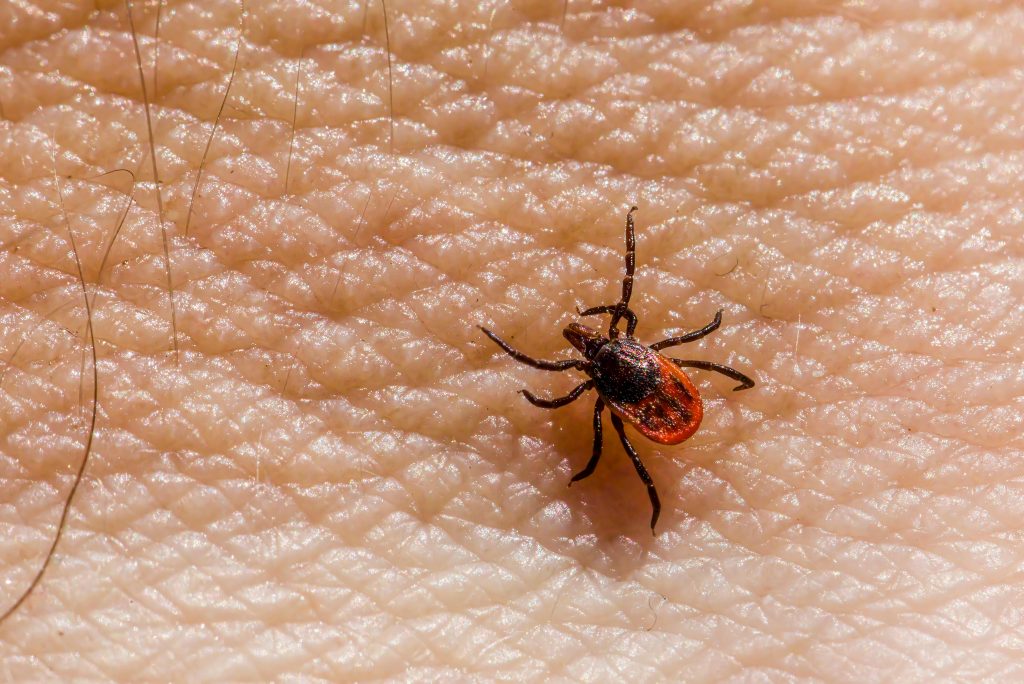
Blacklegged Tick (Deer Tick)
- Known carrier of Lyme disease
- Very small and hard to detect
- Active in cooler months as well as spring
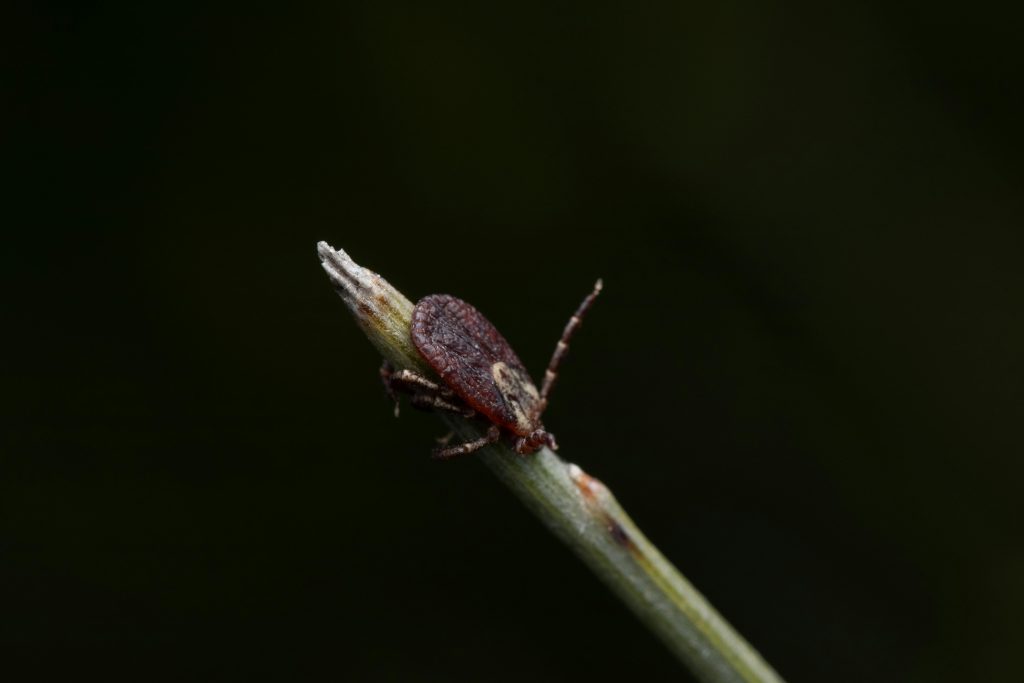
American Dog Tick
- Larger and easier to spot
- Common in grassy and open areas
- Can transmit Rocky Mountain spotted fever
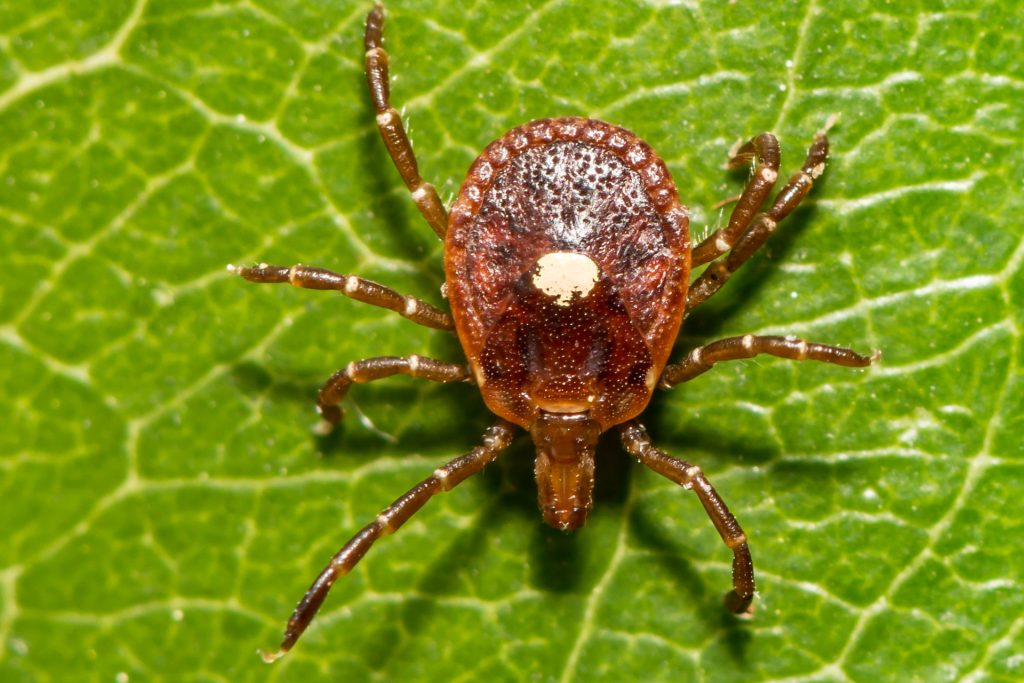
Lone Star Tick
- Aggressive and commonly bites humans
- Associated with Alpha-gal syndrome (red meat allergy)
- Recognizable by the white dot on females
Each of these species can be found in residential areas throughout Raleigh, making proactive control critical.
The Real Risk: Tick-Borne Diseases
Ticks are dangerous because they act as vectors for disease. Once attached, they can transmit bacteria and pathogens into the bloodstream.
Lyme Disease
The most well-known tick-borne illness, Lyme disease, can cause:
- Fatigue
- Fever and chills
- Joint pain
- Neurological issues, if untreated
Other Diseases to Watch For
- Rocky Mountain spotted fever
- Ehrlichiosis
- Alpha-gal syndrome
In North Carolina, reported cases of tick-borne illnesses have been steadily increasing, making awareness and prevention more important than ever.
Where Ticks Hide Around Your Home
Ticks don’t roam around like ants or roaches—they wait. This behavior is called “questing,” where they latch onto passing hosts.
You’re most likely to find ticks in:
- Tall grass and overgrown lawns
- Leaf litter and mulch beds
- Along fence lines and property edges
- Under decks and shaded areas
- Around woodpiles or storage areas
- On pets that travel in and out of the yard
If your yard has a mix of shade, moisture, and plant coverage, it can easily become a tick hotspot.
Signs You May Have a Tick Problem
Ticks are small, so infestations often go unnoticed until there’s a direct encounter.
Watch for these warning signs:
- Finding ticks on pets or clothing
- Pets scratching or biting excessively
- Tick bites on family members
- Increased wildlife activity near your home
- Spending time outdoors and repeatedly finding ticks
If you’re seeing ticks more than once, it’s not random—it’s a sign they’re established in your environment.
DIY Tick Prevention Tips for Raleigh Homeowners
There are steps you can take to reduce tick activity around your home. While these methods help, they’re often most effective when combined with professional treatment.
Yard Maintenance
- Keep grass cut short (under 3 inches)
- Remove leaf litter regularly
- Trim shrubs and bushes
- Create a barrier of gravel or mulch between lawn and wooded areas
Reduce Moisture and Shade
- Improve drainage in damp areas
- Let sunlight reach your lawn where possible
Limit Wildlife Access
- Install fencing if needed
- Secure trash and food sources
- Avoid feeding wildlife
Protect Pets
- Use veterinarian-approved tick prevention
- Check pets after being outdoors
Personal Protection
- Wear long sleeves and pants in wooded areas
- Use EPA-approved insect repellents
- Check your body after outdoor activities
These steps can help—but they won’t eliminate ticks completely, especially in high-risk areas like Raleigh.
Why DIY Tick Control Often Falls Short
Many homeowners try store-bought sprays or treatments, only to find ticks keep coming back. That’s because:
- Over-the-counter products have limited residual effect
- They don’t target the full tick lifecycle
- Application is often inconsistent or incomplete
- Ticks continue to migrate from surrounding areas
Ticks are resilient, and without a comprehensive approach, they can quickly repopulate your yard.
Professional Tick Control: The TruX Pest Control Advantage
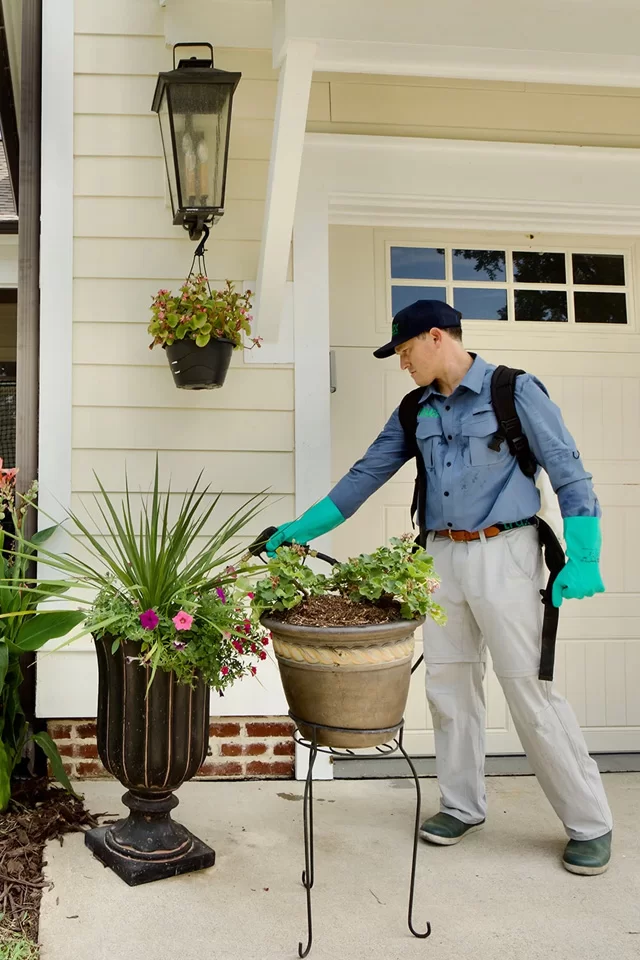
For reliable, long-term results, professional treatment is the most effective solution. TruX Pest Control specializes in eco-friendly, targeted tick control designed specifically for North Carolina properties.
What Sets TruX Apart
1. Targeted Yard Treatments
TruX applies treatments to high-risk areas where ticks live and breed, including:
- Perimeter zones
- Shaded and wooded areas
- Landscaping beds
- Fence lines
2. Eco-Friendly Solutions
Using advanced systems like the In2Care approach, TruX focuses on controlling pests while minimizing environmental impact—ideal for families and pet owners.
3. Ongoing Protection Plans
Tick control isn’t a one-time fix. TruX offers recurring services to keep your yard protected throughout peak seasons.
4. Local Expertise
TruX understands Raleigh’s specific pest pressures, from climate conditions to common tick habitats, ensuring treatments are both strategic and effective.
When Is Tick Season in Raleigh?
In Raleigh, tick activity isn’t limited to summer.
- Spring (March–May): Peak activity begins
- Summer (June–August): High exposure risk
- Fall (September–November): Continued activity
- Winter (Mild Days): Some species remain active
Because of this extended season, year-round vigilance—and often year-round treatment—is recommended.
Protecting Your Pets from Ticks
Pets are especially vulnerable because they spend more time close to the ground and in tick-prone areas.
Key Tips:
- Use monthly tick preventatives
- Check fur thoroughly after walks
- Pay attention to ears, underbelly, and paws
- Wash pet bedding regularly
If your pet brings ticks inside, it increases the risk for your entire household.
What to Do If You Find a Tick
If you discover a tick on your body or your pet:
- Use fine-tipped tweezers
- Grasp the tick close to the skin
- Pull upward steadily (don’t twist)
- Clean the area with alcohol or soap and water
- Monitor for symptoms over the next few weeks
Prompt removal reduces the risk of disease transmission.
Why Raleigh Homeowners Trust TruX Pest Control
When it comes to protecting your home and family, experience matters. TruX Pest Control combines:
- Proven treatment methods
- Eco-conscious solutions
- Deep knowledge of Raleigh pest trends
- Reliable, scheduled service
Homeowners across the area trust TruX to keep their yards safe, comfortable, and pest-free.
Take Back Your Yard from Ticks
You shouldn’t have to worry about ticks every time you step outside. With the right strategy—and the right team—you can enjoy your yard again with confidence.
Get Started Today
If you’re dealing with ticks or want to prevent a problem before it starts, TruX Pest Control is ready to help.
Contact TruX Pest Control today for a free consultation and let our team create a customized tick control plan for your Raleigh home. Protect your family, safeguard your pets, and enjoy your outdoor space without worry.
