


 Reviews
 Login
Login
As temperatures begin to rise across Clayton, Raleigh, and the surrounding areas of Johnston County, many homeowners start enjoying the warmer weather. Unfortunately, warmer temperatures also signal the start of something less welcome—pests becoming active again.
After the cooler winter months, many insects and rodents that have been hiding or dormant begin to emerge as temperatures climb. Spring and early summer are some of the busiest times for pest activity in North Carolina.
If you’ve already started seeing ants, mosquitoes, or other insects around your home, you’re not alone.
Why Warm Weather Brings More Pests
Most pests thrive in warm, humid environments. As temperatures rise, their metabolism increases, meaning they begin searching for food, water, and places to reproduce.
North Carolina’s climate is especially favorable for pests because we experience:
- Warm spring temperatures
- High humidity
- Plenty of rainfall
- Long summers
These conditions create the perfect environment for insects and rodents to multiply quickly.
Once temperatures stay consistently above 60 degrees, pest activity increases significantly.
Common Pests That Start Appearing in Spring
Homeowners in Clayton, Raleigh, Garner, and nearby communities often begin seeing several types of pests as warm weather arrives.
Ants
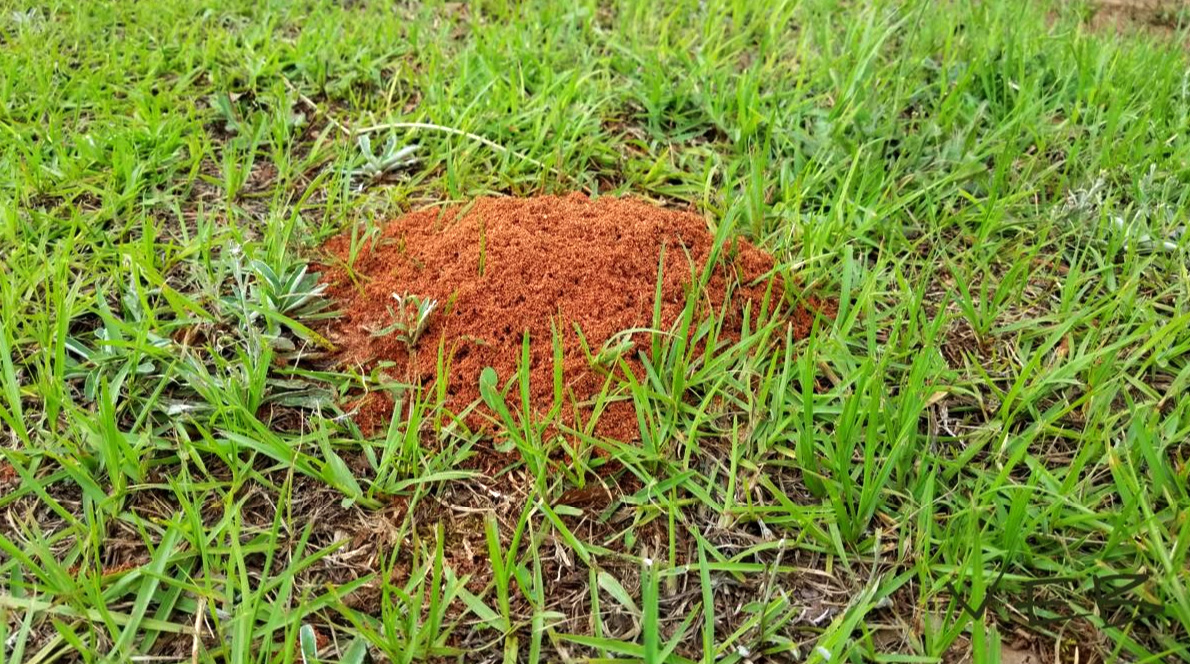
Ants are often one of the first pests homeowners notice in the spring. As colonies become more active, worker ants begin searching for food sources, which frequently leads them inside homes.
Common ant species in our area include:
Once ants establish trails into your home, they can be difficult to eliminate without professional treatment.

Mosquitoes
Mosquito activity increases quickly as temperatures rise and rainfall creates standing water.
Mosquitoes breed in small amounts of water found in places like:
- Gutters
- Bird baths
- Flower pots
- Yard drains
- Low areas of the lawn
Even a small amount of standing water can produce hundreds of mosquitoes within days.
Cockroaches
Warmer weather also increases cockroach activity. Roaches often move indoors looking for food, moisture, and shelter.
In the Clayton and Raleigh area, the most common species include:
- American cockroaches
- German cockroaches
- Smokybrown cockroaches
Seeing even a single roach can sometimes indicate a larger problem nearby.
Termites
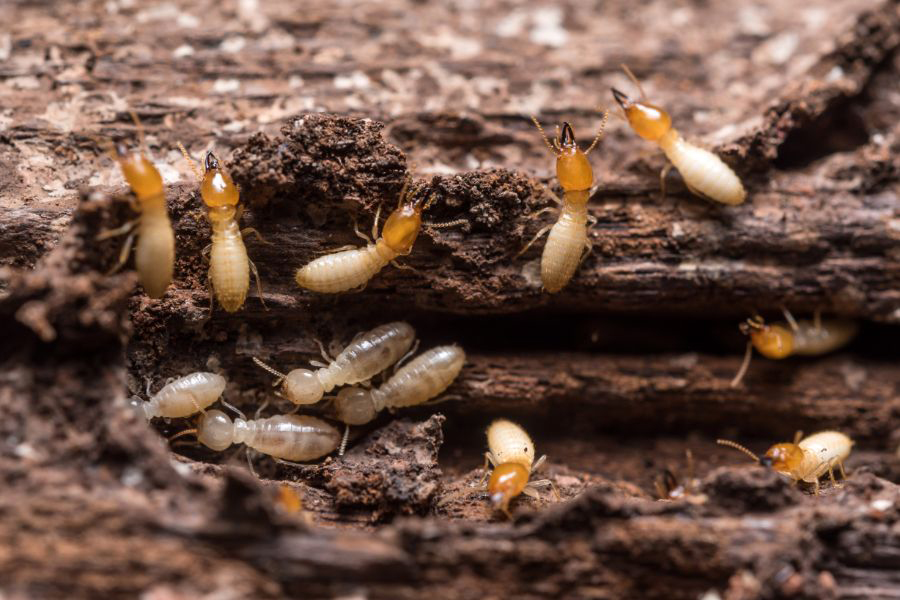
Spring is also termite swarm season in North Carolina. Swarming termites are reproductive termites leaving their colonies to start new ones.
If you notice flying insects around windows or piles of discarded wings near doors or window sills, it may be a sign of termite activity.
Early detection is critical because termites can cause serious structural damage if left untreated.
Spiders and Other Insects
As other insects become more active, spiders follow closely behind. Since spiders feed on other bugs, increased insect populations often lead to more spider activity around homes and garages.
How to Reduce Pest Activity Around Your Home
While pests are common during warmer months, there are steps homeowners can take to reduce the chances of infestations.
Remove Standing Water
Eliminating standing water around your yard helps prevent mosquito breeding.
Check areas like:
- Gutters
- Outdoor containers
- Flower pot trays
- Low spots in the yard
Seal Entry Points
Small gaps around doors, windows, pipes, and foundations can allow pests to enter your home.
Sealing these entry points helps prevent insects and rodents from getting inside.
Keep Food Sources Sealed
Properly storing food and cleaning up crumbs or spills can make your home less attractive to ants and roaches.
Maintain Your Yard
Keeping grass trimmed, bushes cut back, and debris removed reduces places where pests can hide.
Protect Your Home Before Pest Season Peaks
The best way to control pests is to stop them before they become a larger problem. Routine pest control treatments can create a protective barrier around your home and eliminate pest activity early.
Homeowners throughout Clayton, Raleigh, and Johnston County rely on professional pest control services to keep their homes protected year-round.
If you’re starting to see more pest activity around your home as the weather warms up, it may be time to schedule an inspection and treatment plan tailored to your property.
Staying proactive now can help prevent bigger pest problems later in the season.
